
What Happens During a Professional Electrical Inspection


For many homeowners and business owners, the idea of an electrical inspection can feel unnecessary or intimidating. Some assume inspections are only needed for very old buildings or after something has already gone wrong. In reality, a professional electrical inspection is one of the most effective ways to identify risks early and avoid unexpected failures.
An electrical inspection begins with an overall assessment of the property and its usage. An electrician considers how the space is being used today, not how it may have been used when it was first built. Homes and businesses often add appliances, equipment, or technology over time, increasing demand on electrical systems that were not designed for modern loads.
The inspection then focuses on key components such as the switchboard, circuits, wiring, and protective devices. Electricians check for signs of wear, overheating, loose connections, or outdated components. These issues are often hidden from view and can exist for years without obvious symptoms. Identifying them early reduces the risk of sudden failures, damage, or safety incidents.
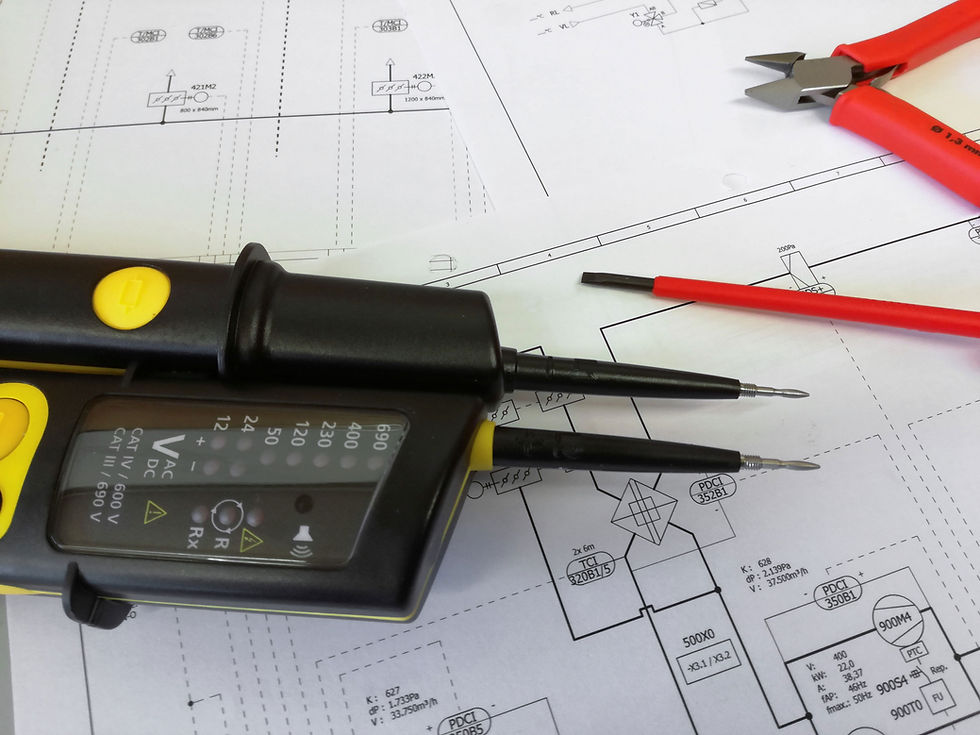
Testing is a critical part of the process. Circuits are tested to ensure they are operating correctly and within safe limits. Protective devices are checked to confirm they will respond properly if a fault occurs. This testing provides confidence that systems are doing what they are meant to do when it matters most.
Another important part of an inspection is reviewing previous electrical work. Certified installations and proper documentation make it easier to understand how the system has been modified over time. Where documentation is missing or work appears inconsistent, electricians can flag potential risks and recommend next steps. This is particularly important for properties that have changed hands or undergone multiple renovations.
At the end of an inspection, a professional electrician should explain their findings clearly. This includes highlighting any immediate safety concerns, identifying areas to monitor, and outlining recommended improvements. The goal is not to overwhelm property owners with technical detail, but to provide practical advice that supports informed decisions.
At Rankin McManus, we approach inspections as a preventative service, not a sales exercise. Our focus is on safety, clarity, and long term reliability. A thorough inspection helps reduce uncertainty, protect people and property, and ensure electrical systems are fit for current and future use.
Electrical inspections are not about finding faults for the sake of it. They are about understanding the condition of what you cannot see, and making sure small issues are addressed before they turn into costly or dangerous problems.


Comments