
Breathe Easier: Ventilation Benefits for Asthma & Allergy Sufferers in NZ

If you or someone in your household wakes up with a blocked nose, wheezes through winter, or reaches for the antihistamines every other day — your home's air quality may be a bigger culprit than you think.
New Zealand homes, particularly across the North Island, are notorious for being damp, poorly ventilated, and unintentionally hospitable to the indoor triggers that aggravate asthma and allergies. The good news: a properly installed and maintained home ventilation system in North Island can make a measurable difference and thousands of Kiwi homeowners have already felt it.

Why Indoor Air Quality Matters for Kiwi Homes
Most people associate air pollution with traffic fumes or industrial smoke. But according to health researchers, the air inside your home can be up to five times more polluted than outdoor air — and you spend roughly 90% of your time indoors.
For those with asthma or allergies, the key indoor offenders are:
Dust mites - thriving in humid, poorly ventilated bedrooms and lounges
Mould spores - releasing allergens in bathrooms, kitchens, and wall cavities
Pet dander - circulating freely when air isn't filtered or moved
Volatile Organic Compounds (VOCs) - off-gassed from furniture, paint, and cleaning products
Carbon dioxide build-up - leaving rooms feeling stuffy and triggering headaches
A quality home ventilation system addresses each of these by continuously cycling fresh, filtered air through your living spaces, diluting pollutants and reducing the conditions that allow mould and dust mites to flourish.
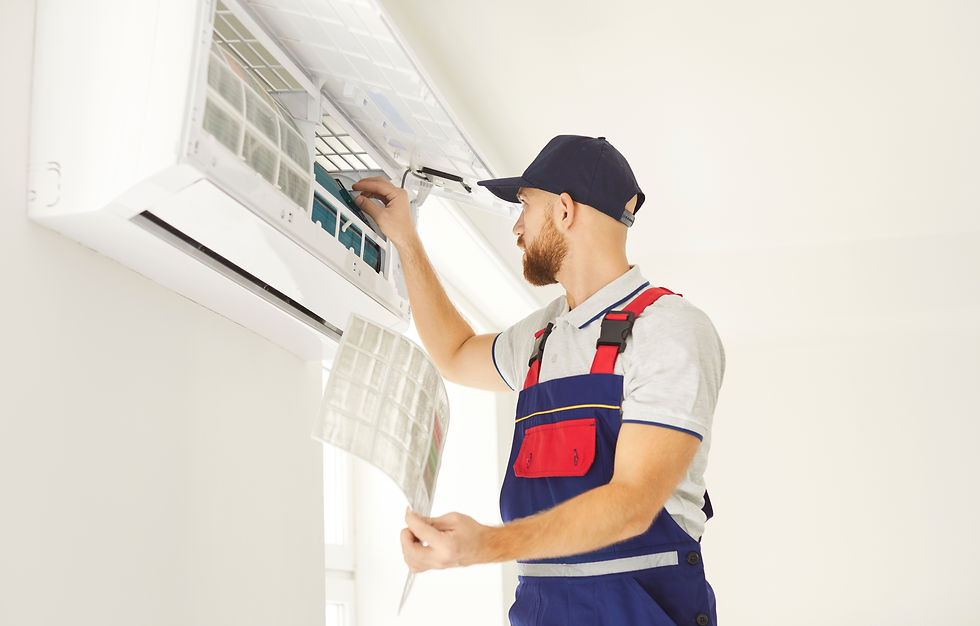
How Home Ventilation Systems Reduce Asthma Triggers
Asthma is one of New Zealand's most prevalent chronic conditions, our rates are among the highest in the developed world. While medication plays a crucial role, environmental management is equally important. A ventilation system helps in three direct ways:
1. Reducing Humidity Levels
Dust mites need relative humidity above 50% to survive. Many NZ homes regularly exceed this especially in older builds, coastal areas, or homes with poor insulation. Ventilation systems work to normalise indoor humidity, making the environment inhospitable for mites without needing chemicals.
2. Preventing Mould Growth
Mould doesn't just look unpleasant, it releases spores that are a potent asthma trigger. Proper ventilation eliminates the stagnant, moisture-laden air that mould needs to take hold. Many homeowners find that regular servicing of their ventilation system stops recurring mould patches permanently.
3. Filtering Airborne Particles
Ventilation systems equipped with clean, high-quality filters actively capture fine particles including pollen, pet dander, and dust before they can circulate through your home. Keeping filters well-maintained is essential for this to work effectively.
Allergy Sufferers: What Changes When Your Home Breathes Properly
If seasonal allergies have you sneezing from August through to December, your indoor environment may be amplifying what comes in from outside. Here's what homeowners consistently report after improving their ventilation:
Fewer morning sneezing episodes particularly during high pollen season
Better sleep quality reduced nasal congestion overnight
Less reliance on antihistamines with proper air filtration in place
Children with eczema or hay fever showing symptom improvement
A home that smells fresher and feels lighter even in winter
These aren't just anecdotal improvements. Reducing the allergen load in your indoor environment is a recognised strategy recommended by allergy specialists across New Zealand and Australia.
What to Look for in a Home Ventilation System in NZ
Not all ventilation systems are created equal. For asthma and allergy households, these are the features that matter most:
Effective moisture control - the system should actively reduce indoor humidity, not just move air around
High-quality filtration - filters should capture fine particles, not just larger debris
Quiet operation - critical for bedrooms where sleep quality is already impacted by health conditions
Easy, regular servicing - a system that's hard to maintain won't stay effective
Professional installation - correct ducting and placement determines real-world performance
The MoistureMaster system, available across the North Island through Rankin McManus is specifically designed for New Zealand's climate conditions, with a focus on moisture management alongside air quality.

The Warning Signs Your Ventilation System Isn't Working
Your home will usually tell you when its ventilation is underperforming, you just need to know what to look for:
Persistent condensation on windows especially in bedrooms and bathrooms
Musty or stale odours that don't clear even with windows open
Visible mould patches on walls, ceilings, or window frames
Rooms that feel cold and damp even after heating
A household where respiratory symptoms never seem to improve
Any one of these is worth taking seriously. All of them together is a clear signal that professional assessment is overdue.

How Often Should You Service Your Home Ventilation System?
This is one of the most common questions from homeowners and the honest answer is: more often than most people think.
For most North Island homes, an annual service is the minimum. If your home has any of the following characteristics, a six-monthly check is worth considering:
Older construction (pre-1990s builds tend to hold more moisture)
Coastal or high-rainfall location
Young children or elderly residents in the home
Anyone with diagnosed asthma, COPD, or severe allergies
Pets that shed fur or dander
A service visit includes a full system inspection, filter clean or replacement, motor and fan performance check, and a humidity and air quality reading, giving you a clear, written picture of what's happening in your home.
Frequently Asked Questions About Home Ventilation and Allergies
Can a ventilation system help with hay fever?
Yes. While it won't eliminate outdoor pollen, a well-maintained ventilation system with clean filters reduces the amount of pollen circulating indoors — and creates drier conditions that stop secondary triggers like mould from compounding the problem.
Will ventilation make my home colder in winter?
A quality system introduces filtered fresh air without dramatically dropping temperatures. In many cases, moving drier air through a home actually makes it feel warmer — damp air holds cold more effectively than dry air.
What's the difference between ventilation and air conditioning?
Air conditioning controls temperature. Ventilation controls air quality and moisture. For allergy and asthma management, moisture and particulate control is typically more impactful than temperature regulation alone.

Take the First Step Toward a Healthier Home
Living with asthma or allergies doesn't have to mean managing symptoms indefinitely. Your home environment plays a bigger role in your respiratory health than most people realise and improving it is one of the most direct, practical steps you can take.
A professional ventilation assessment gives you real data on your home's humidity and air quality, and a plain-English report on what, if anything, needs attention. No jargon, no pressure, just clarity.
Book a free MoistureMaster home assessment at rankins.co.nz/moisturemaster-north-island or call 0800 843 273.


Comments