
Insulated but Stale? Why Good Ventilation Still Matters in Your Cosy Winter North Island Home


Your Home Is Warm. But Is It Healthy?
You've done everything right. Ceiling insulation, double glazing, draught-stopping, your home holds heat well. But come winter, the windows are weeping every morning. There's a faint musty smell in the spare room. The bathroom ceiling has that familiar dark patch creeping back.
Here's the uncomfortable truth: insulation and ventilation are not the same thing and you need both.
A well-insulated but poorly ventilated North Island home doesn't just feel stuffy. It becomes a slow-build problem of trapped moisture, mould growth, degraded building materials, and air quality that affects your family's health every single day.
Why North Island Homes Are Especially Vulnerable in Winter
North Island's climate is uniquely challenging, warm, humid summers and mild, damp winters make it hard to maintain good indoor air quality year-round. Unlike colder, drier climates where winter air is naturally low in moisture, North Island's mild temperatures mean outdoor air stays humid, and indoor moisture has nowhere obvious to go.
According to Smarter Homes (MBIE), cooking generates around 3 litres of moisture every day in the average Kiwi home, and every shower adds another 1.5 litres. Multiply that across a household through a full North Island winter and you're dealing with a significant daily moisture load, all of it needing somewhere to go.
Without enough ventilation, this moisture builds up, saturating soft furnishings, soaking into wall linings, and critically migrating upward into your roof cavity where it condenses on cold surfaces and begins the slow work of rotting timber, degrading insulation, and feeding mould colonies you may not see for years.
The Hidden Problem: Your Roof Cavity
Most North Island homeowners think about ventilation at the room level extractor fans, open windows, maybe a whole-home system. Far fewer think about what's happening above the ceiling.
A family of four can generate up to 20 kilograms of water vapour per day. If the roof cavity is poorly ventilated, the air up there becomes over-burdened with moisture.
For three decades after insulation became standard in New Zealand, condensation was a widespread problem with mouldy ceilings and rotting timbers in homes that were incorrectly labelled leaky when they weren't leaking from the outside at all. It was a ventilation and design problem, not a roofing problem.
The same issue persists today. As North Island homes become better sealed and more energy-efficient, moisture that previously escaped through natural gaps now accumulates particularly in the roof space.
What happens when cavity ventilation fails:
Insulation absorbs moisture and loses its thermal performance (meaning your heating works harder for less result)
Timber framing softens, warps, or begins to rot
Mould establishes in the ceiling cavity, often before any visible signs appear inside the home
The underside of the cladding corrodes faster, shortening its lifespan
Indoor air quality degrades as spores and particulates filter downward through ceiling linings
When insulation becomes damp, its thermal performance drops. Timber can rot or degrade, membranes lose effectiveness, and mould may form, all of which reduce the longevity and health of the building.
Insulation Alone Is Not Enough, Here's Why
There's a common assumption that more insulation means a healthier, drier home. It's partly true but without ventilation working alongside it, added insulation can actually make moisture problems worse.
Ventilation matters as much as insulation: trapping warm moist air against cold materials causes condensation and mould, which is why ventilation gaps and underlay specifications have tightened alongside the R-value requirements under New Zealand's current H1/AS1 6th Edition building code.
Condensation is a large risk when adding insulation in roof spaces, so extra measures need to be taken to ensure moisture isn't a catalyst for mould growth. The takeaway: every time insulation is updated, ventilation upgrade or installation must be considered as part of the same system, not an afterthought.
What Good Home Ventilation Looks Like in North Island
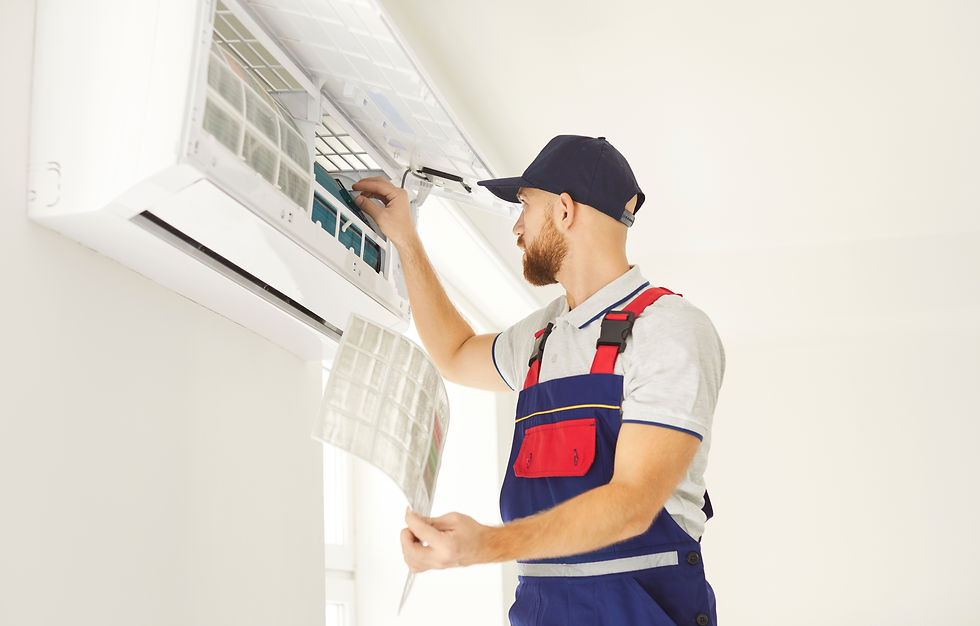
Effective ventilation works at two levels: inside the living space and within the building envelope itself, particularly the roof cavity.
Inside the home:
Kitchen and bathroom extractor fans vented to the outside, not just recirculating air internally
Openable windows in all main living areas and bedrooms
Mechanical ventilation systems (positive pressure, negative pressure, or heat recovery) for whole-home air management
Consistent airflow habits, short cross-ventilation bursts each morning make a measurable difference
In the roof cavity:
Eave and ridge venting that creates passive airflow through the roof space
Breathable roof underlays that allow vapour to pass through rather than trap it
Ventilated battens that maintain an air gap between insulation and roof cladding
Adequate cavity depth so insulation doesn't compress against the underlay and block airflow
In northern New Zealand, where humidity is high and rainfall frequent, ventilation is a key defence against moisture accumulation.
The Three Types of Home Ventilation Systems in North Island
There are three types of home ventilation systems commonly available in New Zealand: positive pressure (cavity) systems, negative pressure (continuous extract) systems, and balanced pressure or heat recovery ventilation systems.
Positive Pressure (PIV):
Draws air from the roof cavity, filters it, and gently pressurises the home, pushing stale, moist air out through gaps and openings. Effective for older North Island homes with natural air leakage paths.
Negative Pressure (Extract):
Continuously extracts air from wet rooms (bathrooms, kitchens) and expels it outside. Simple and targeted, best used alongside other ventilation measures.
Heat Recovery Ventilation (HRV/MVHR):
The most sophisticated option. These systems manage both incoming and outgoing air, recycling heat through a domestic heat exchanger to supply a constant stream of warm, fresh air while continuously expelling stale, moist air. Best suited to newer, well-sealed North Island homes where passive leakage is minimal.

NZ Healthy Homes Standards: What You Need to Know
Under New Zealand's Healthy Homes Standards, rental properties must have openable windows in the living room, dining room, kitchen, and bedrooms, and kitchens and bathrooms must have appropriately sized extractor fans.
Landlords are also required to fix any problems contributing to dampness, including roof leaks or faulty extractor fans. Non-compliance can result in financial penalties of up to $7,200.
For owner-occupiers, while the standards aren't legally binding, they still provide a useful guide to what makes a home healthy and energy efficient and they reflect what's needed to protect both your health and your property's long-term value.
Warning Signs Your North Island Home Needs Better Ventilation
Don't wait for visible mould to act. Watch for:
Condensation on windows every morning, particularly in bedrooms
Musty or stale smell that doesn't clear when heating is on
Mould spots returning on ceilings, window frames, or walls despite regular cleaning
Stuffy air that feels heavy even when the heat pump is running
Cold or damp patches on interior walls or ceilings
Higher-than-expected heating bills, a sign your insulation may be moisture-affected and losing efficiency
If you are wiping condensation off your windows every morning, the real question is why that much moisture is forming in the first place, it is not a long-term fix.
Frequently Asked Questions: Ventilation in North Island
Why is my North Island home damp even though it's insulated?
Insulation reduces heat loss but doesn't remove moisture from the air. Without adequate ventilation especially in the cavity and wet rooms moisture from cooking, showering, and breathing accumulates and leads to condensation, mould, and structural damage.
Does my roof affect ventilation in my home?
Yes, significantly. The roof cavity sits above your ceiling insulation and needs its own airflow to stay dry. Poor roof cavity ventilation allows moisture to saturate insulation, rot framing timbers, and create the conditions for mould even in homes with good internal ventilation.
What is the best home ventilation system in North Island?
It depends on your home's age, layout, and level of airtightness. Positive pressure systems work well in older homes; heat recovery ventilation (HRV/MVHR) suits newer, well-sealed homes. Extractor fans in kitchens and bathrooms are a baseline requirement under the NZ Healthy Homes Standards.
How much does a home ventilation system cost in North Island?
A basic bathroom or kitchen extractor installation starts from around $1,200–$1,300. A full mechanical ventilation system (HRV or positive pressure) typically starts from $2,000 or more, depending on home size and system type. A new installation that incorporates proper cavity ventilation is a cost-effective opportunity to address moisture management at the same time.
Is ventilation required under NZ building code?
Yes. The NZ Building Code requires adequate ventilation for habitable spaces. For rental properties, the Healthy Homes Standards set specific requirements for extractor fans in wet rooms and openable windows in all main rooms. The H1/AS1 6th Edition (in force from November 2025) also tightens requirements around ventilation gaps in assemblies alongside insulation upgrades.
What are the signs of poor cavity ventilation in North Island?
Dark or damp patches on interior ceilings, persistent musty smells, mould returning on upper walls and ceilings, and unexpectedly high heating costs are all indicators. A inspection can confirm whether moisture has affected your cavity insulation or framing.
Ready to Protect Your North Island Home from the Inside Out?
A healthy home isn't just a warm one, it's a dry one. If you're planning a ventilation system in North Island, or if your current roof is approaching the end of its life, talk to MoistureMaster about how a new and properly designed cavity ventilation can make a real difference to your home's health, comfort, and long-term value.


Comments