
Electrical Compliance for Commercial Buildings in NZ: Testing, Tagging and Certification

Most building owners and business managers know electrical compliance matters. Far fewer know what's actually required, what's just good practice, and which bit of paperwork belongs to which job.
It doesn't help that three different things get lumped together as "compliance": testing and tagging, certificates of compliance, and general electrical maintenance.
They're separate. Here's how they fit together.
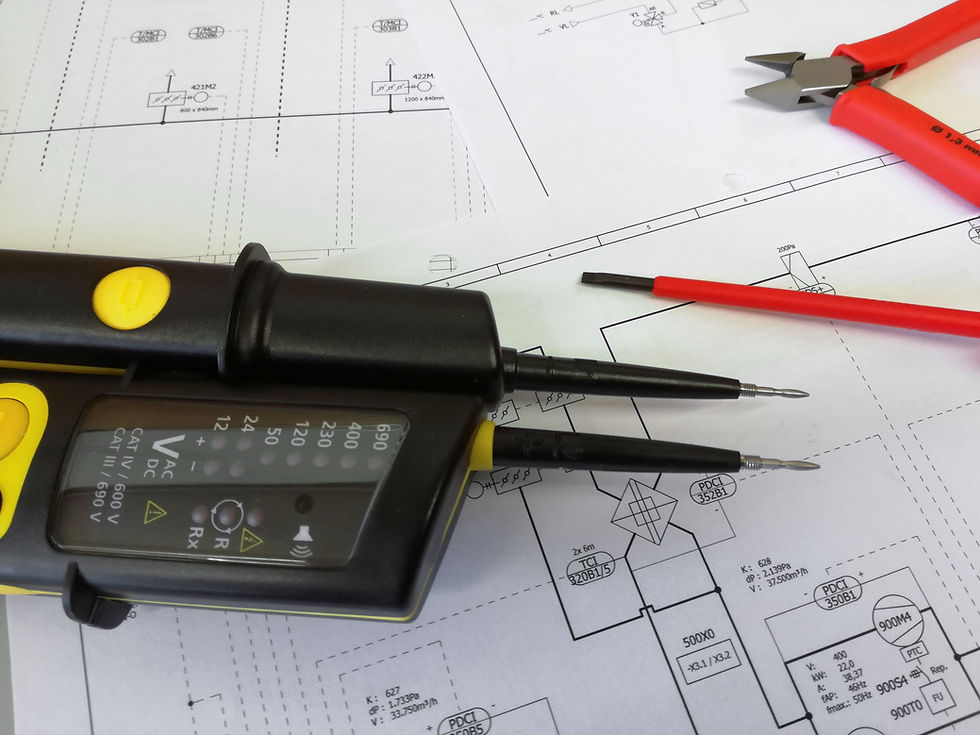
Three things people mix up
Test and tag is about portable equipment: kettles, extension leads, power tools, plug-in heaters, anything with a cord you can unplug. Each item gets inspected and tested, then tagged with the date.
A Certificate of Compliance (CoC) is paperwork for electrical work that's been done. It isn't an annual stamp of approval for your building.
Electrical maintenance is the ongoing care of your fixed wiring, switchboards and safety devices. This is where most hidden problems live.
Testing and tagging: what's involved
In NZ, in-service testing is guided by AS/NZS 3760. A proper test isn't just a sticker. It covers:
A visual check for damaged cords, plugs and casings
Earth continuity and insulation resistance tests
Polarity checks
Trip tests on RCDs (the safety switches that cut power when something's wrong)
How often depends on the environment. Rough guide:
Construction and demolition sites: every 3 months
Factories and workshops: around every 6 months
Hire equipment: before each hire
Offices, shops and other low-risk spaces: usually 12 months or longer, depending on the equipment
There's no single law saying "tag everything every year". But the Health and Safety at Work Act 2015 expects you to keep your workplace safe, and AS/NZS 3760 is the benchmark WorkSafe and insurers look to. If something goes wrong and you have no testing records, that's a hard conversation.
Certificates of Compliance: when you need one
Under the Electrical Safety Regulations 2010, certain higher-risk electrical work needs a CoC once it's finished. Think new installations, switchboard replacements and major rewiring. The registered electrician who did the work issues it, and some high-risk jobs also need an independent inspection.
A few practical points:
Always use a registered electrical contractor. You can check anyone on the Electrical Workers Registration Board (EWRB) register.
Keep every CoC in one place. Insurers, landlords, buyers and property managers will ask for them.
If a contractor can't or won't provide one for work that needs it, treat that as a red flag.
Need help sorting out what your building needs? Our commercial electricians and industrial team deal with this every week.
Maintenance: where the real risk hides
Tagging covers the things you plug in. Most commercial electrical faults start somewhere else:
Loose connections in switchboards
Overloaded circuits after a fit-out or extra equipment
RCDs that no longer trip when they should
Ageing wiring in older Auckland buildings
Emergency lighting that hasn't been checked in a while
The cheapest fix is the one you plan for. A regular schedule with an electrical maintenance services provider usually costs far less than an emergency call-out at 4pm on a Friday, plus the downtime that comes with it. And if a check does turn something up, you want a team that can handle electrical repairs in Auckland on the spot, not just write a report. You can see how we work on our electrical repairs page.
A simple compliance checklist
Keep a register of tested equipment, with dates and results
Book test and tag at the same time each year so it doesn't slip
Store all CoCs and inspection records together
Get faults repaired promptly, and keep the paperwork
Only use registered electricians, and ask to see proof

Choosing a local electrician
When compliance is on the line, the cheapest quote isn't always the best one. Look for a local electrician who knows Auckland's commercial buildings, is properly registered, and gives you clear paperwork without being chased for it.
Rankin McManus has been looking after Auckland businesses for over 80 years. If you're after an electrician in Auckland for ongoing compliance, check our pricing page or get in touch for a quote. You can also call us on 0800 726 546.
FAQ
Is test and tag a legal requirement in NZ?
Not as a standalone rule. But businesses must keep workplaces safe under the Health and Safety at Work Act 2015, and AS/NZS 3760 is the accepted way to show your electrical equipment is safe. In practice, it's expected.
How often should commercial equipment be tested and tagged?
It depends on where the equipment is used. Building sites need testing every 3 months, workshops around every 6 months, and offices often 12 months or longer. If you're not sure, ask us and we'll work out the right schedule for your site.
Does my business need a Certificate of Compliance?
If you've had high-risk electrical work done, such as a new installation or switchboard upgrade, then yes, a certificate of compliance should have been issued. Routine tagging and minor repairs generally don't need one.
Who can issue a Certificate of Compliance?
Only a registered electrician or registered electrical contractor who did or supervised the work. Check their registration on the EWRB website if you're unsure.
What happens if equipment fails a test?
It gets taken out of service and marked as failed. It's then either repaired by a qualified electrician or replaced. It shouldn't go back into use until it passes.
How long should I keep compliance records?
For as long as you own or lease the building. They're regularly requested during insurance claims, sales, lease renewals and audits.
Can you fix problems found during testing?
Yes. We handle repairs, upgrades and maintenance across Auckland, so issues found during testing don't have to wait for another contractor.


Comments